

US Tariff Update 2026: What Small Businesses Need to Know About Import Costs and Trade Changes
)
For many small businesses, tariffs are no longer a distant policy issue debated in Washington. They show up in supplier invoices, shipping quotes, and tighter margins. As we move through 2025 and plan for 2026, recent US tariff changes are reshaping import costs, supply chain decisions, and pricing strategies across industries.
If your business relies on imported goods, components, or raw materials, this is not simply a trade story. It is a cash flow and competitiveness story. Understanding what has changed and how to respond is essential to protecting profitability and positioning your business for long term stability.
Rising Tariffs and Higher Landed Costs
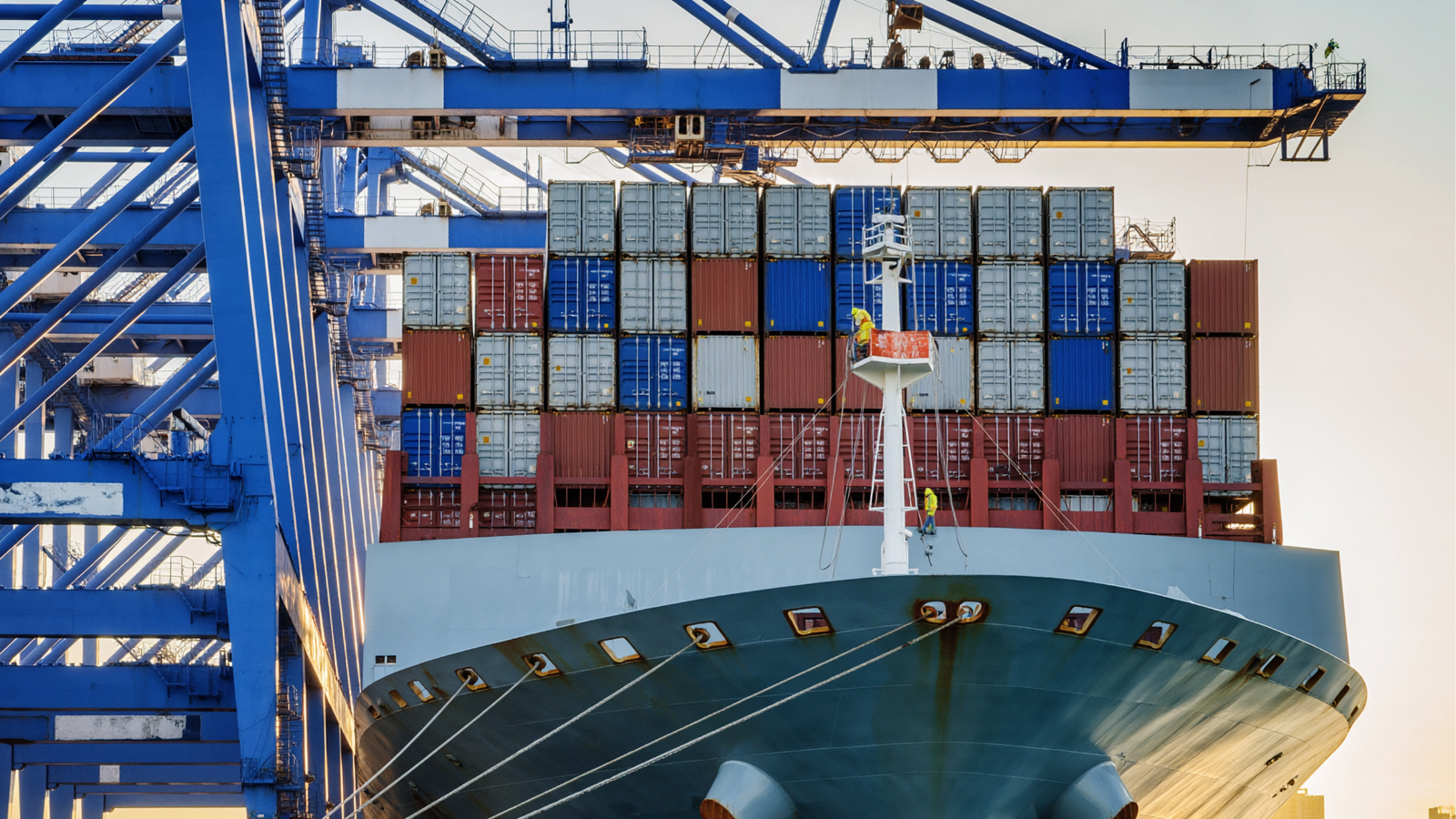
Over the past several years, the United States has maintained and, in some categories, increased tariffs on goods imported from key trading partners, including China. Additional duties continue to apply to a wide range of products, from industrial components and electronics to consumer goods. For small businesses, the impact is direct. Tariffs function as an import tax, typically paid by the US importer. That cost becomes part of your landed cost, along with freight, insurance, and customs fees. When duty rates increase, your total cost per unit increases as well. Large multinational companies such as Walmart and Home Depot have the scale to negotiate with suppliers or diversify sourcing more quickly. Smaller retailers and manufacturers often have fewer alternatives and less leverage. This makes careful cost analysis and proactive supplier conversations even more important.
If you have not revisited your true landed cost calculations recently, now is the time. Even a few percentage points in additional duties can meaningfully affect gross margins over the course of a year.
Supply Chain Diversification Is No Longer Optional
Tariffs have accelerated a broader trend that was already underway. Many businesses are diversifying supply chains to reduce reliance on a single country or region. This shift gained momentum during the pandemic and continues today. Brands such as Apple and Nike have publicly expanded manufacturing beyond China into countries like Vietnam and India. While your business may not operate at that scale, the principle is relevant. Geographic diversification can reduce exposure to sudden tariff increases and geopolitical risk. For small and midsized businesses, diversification may begin with a simple step. Identify secondary suppliers in different countries. Explore whether comparable inputs are available from domestic manufacturers. Even if you do not switch immediately, having options strengthens your negotiating position.
It is important to balance cost, quality, and reliability. Lower tariffs alone should not drive decisions. A slightly higher unit cost may be justified if it reduces volatility and improves delivery timelines.
Pricing Strategy and Customer Communication
As tariffs increase input costs, many business owners face a difficult decision. Do you absorb the added expense, or do you pass some or all of it on to customers? There is no universal answer. Your competitive landscape, brand positioning, and customer expectations all matter. However, ignoring rising costs is rarely sustainable. Companies like Stanley Black and Decker and Whirlpool have publicly discussed the impact of tariffs on pricing strategy. Smaller businesses face similar dynamics, even if they do not make headlines.
If you choose to adjust pricing, clarity and transparency can preserve trust. Customers often respond better when they understand that price adjustments reflect broader economic conditions rather than arbitrary markups. Framing increases as part of maintaining product quality and service standards can reinforce your brand’s integrity.

Trade Agreements and Areas of Opportunity
While many headlines focus on higher tariffs, it is important to recognize that trade policy is not static. The United States continues to negotiate agreements and adjust duty rates in specific sectors. Some industries benefit from targeted tariff reductions or exclusions. For example, sectors tied to advanced manufacturing and technology have seen ongoing discussions about supply chain resilience and strategic sourcing. Businesses that monitor these developments closely may identify opportunities to shift sourcing or take advantage of updated classifications and exclusions. Staying informed through reputable sources such as the Office of the United States Trade Representative and US Customs and Border Protection can help you anticipate changes rather than react to them.

Compliance and Documentation Matter More Than Ever
As tariff policy evolves, compliance requirements remain strict. Accurate product classification under the Harmonized Tariff Schedule, proper country of origin documentation, and complete customs filings are critical. Errors can result in penalties, delays, or unexpected duty assessments. For small businesses, even minor compliance issues can disrupt operations.
Investing in knowledgeable customs brokers, trade advisors, or internal training is not simply an administrative expense. It is risk management. Clean documentation supports smoother imports and reduces the likelihood of costly surprises.

Turning Trade Volatility Into Strategic Discipline
Tariff changes in 2025 and into 2026 highlight a broader reality. Global trade conditions are fluid. Political decisions, economic pressures, and international negotiations all influence the cost of doing business. For small businesses, this environment can feel uncertain. Yet it also encourages stronger financial discipline and strategic clarity. When you regularly evaluate sourcing, pricing, and compliance, you build resilience.
The question is not whether tariffs will change again. They will. The more important question is whether your business is structured to adapt. By treating tariff planning as part of your overall business strategy rather than a reactive afterthought, you position your company to navigate volatility with confidence. How are recent tariff changes affecting your cost structure and supplier relationships? Thoughtful conversations across our business community can help all of us respond more effectively to a shifting trade landscape.
Do you have solutions that SMBs will want to take advantage of in this turbulent economy? Exhibiting at The Business Show Miami will put your brand in front of 6000+ SMB leaders and decision makers, looking to grow and scale. Click here to inquire today.